What computer vision quality control actually does in a delivery kitchen
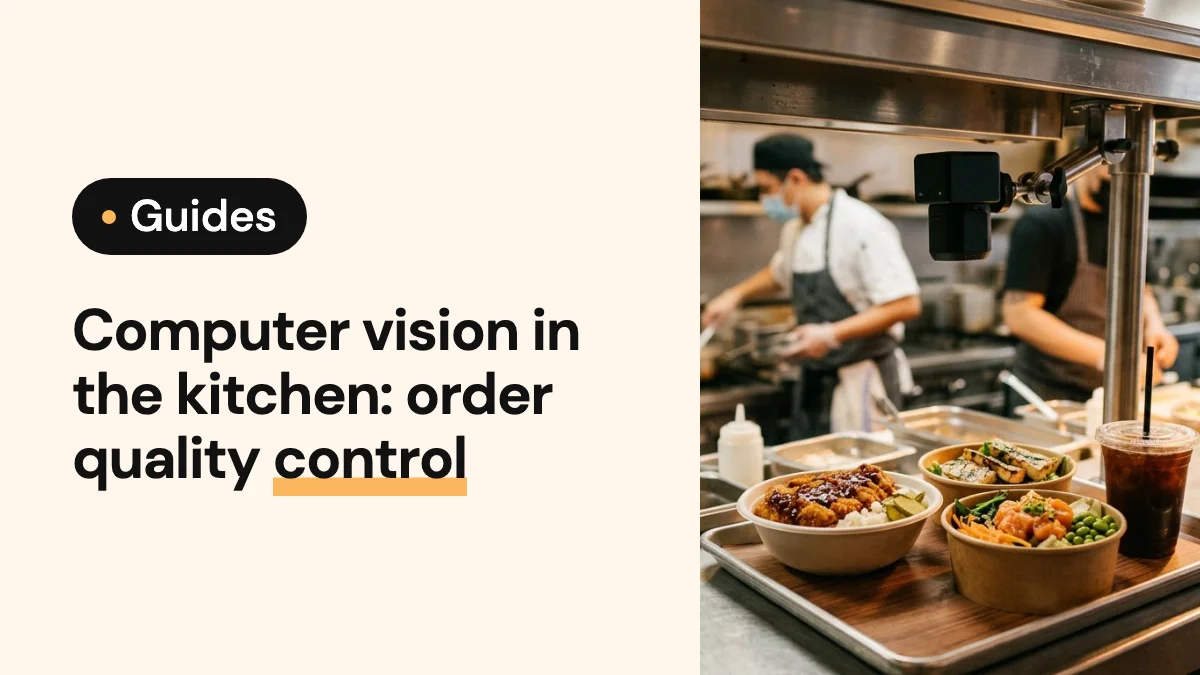
A camera on the pass, a model that recognises products and the order itself. Explained without jargon: what it does, what it does not do and what to expect from it in a real service.

What is computer vision quality control in a delivery kitchen?
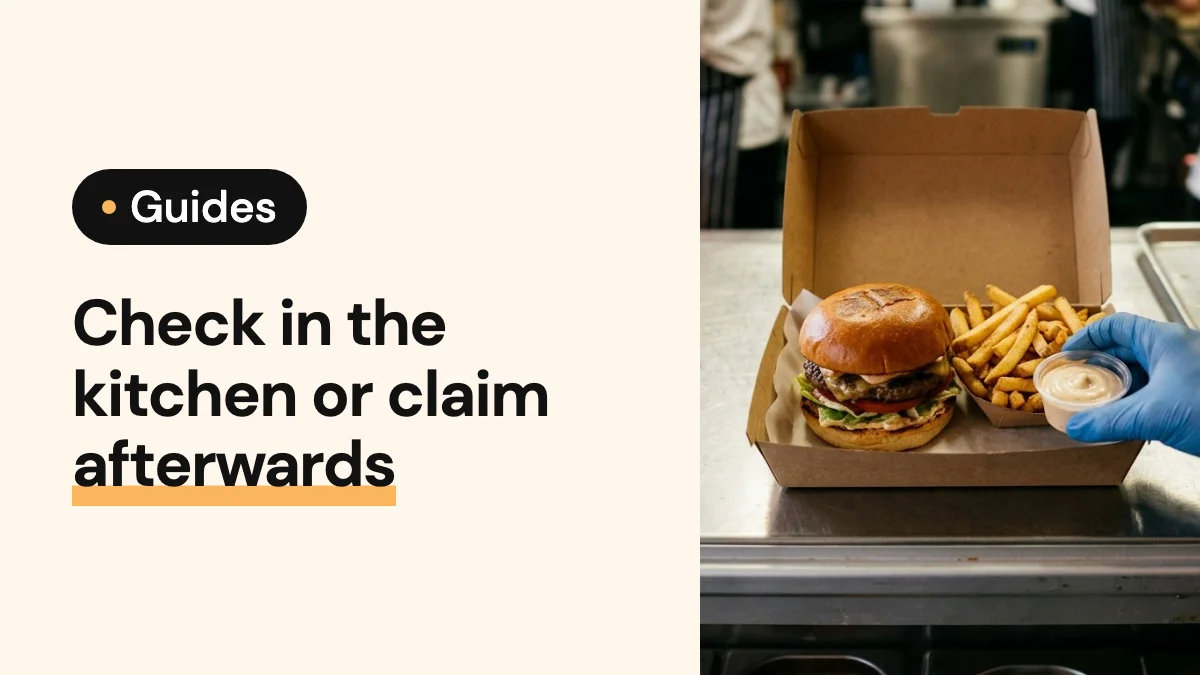
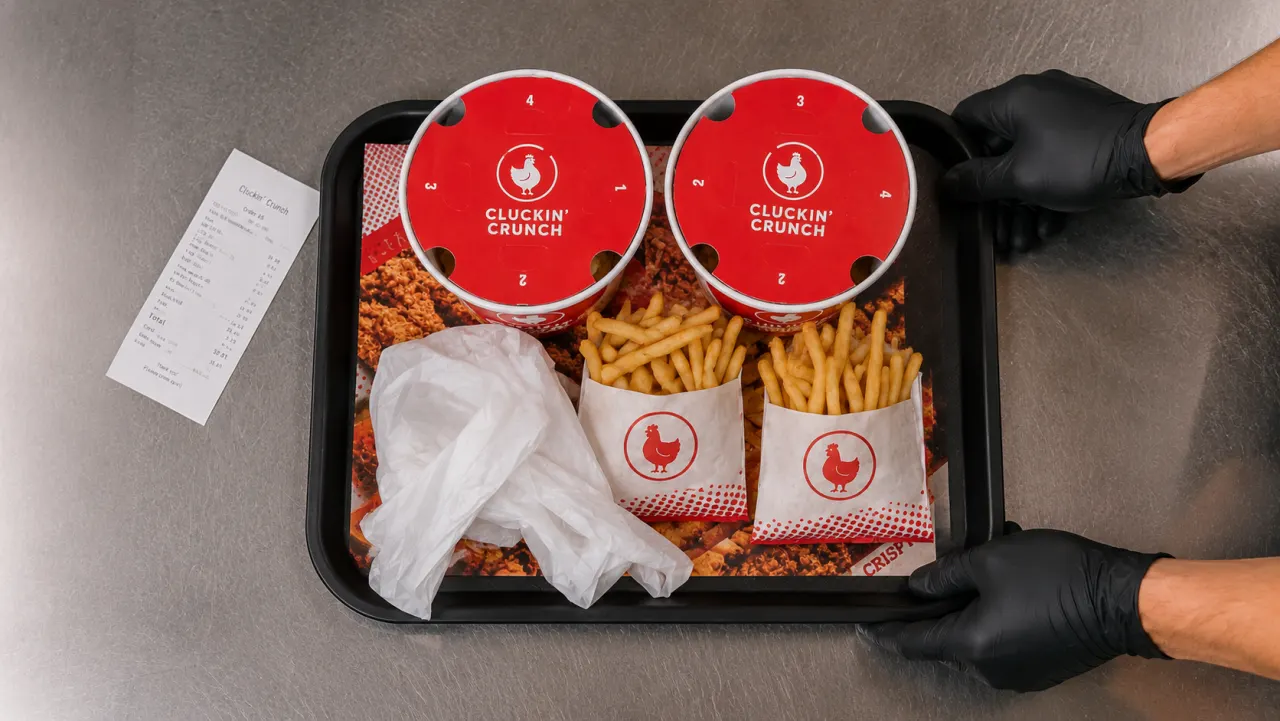
It is a system that photographs every order before it leaves the kitchen and uses a computer vision model to compare what it sees in the image with what the order from your POS or delivery platform says. If an item is missing, extra or wrong, it flags it on screen there and then, with the order still on the pass. The photo is stored as evidence of what was handed over.
Put another way: it is the manual check a manager does when they have time, performed on every order and during the rush too. The difference is not in the accuracy on any one order, it is in the consistency.
How it works, step by step
- The order arrives on its own. The system receives it from your POS or delivery platform, with its lines and modifications. Nobody types anything.
- The assembled order is photographed. The team shows the order to Bronze from a tablet or phone before sealing the bag. It is the only new step in the process.
- The model detects and compares. Computer vision identifies every item in the image (containers, drinks, sauces, extras) and checks them against the lines of the order.
- It flags anything that does not add up. Missing or wrong items are marked on screen, with an alert readable from a distance so the kitchen sees it without coming closer.
- It stores the evidence. The photo is attached to the order number with its date and time, ready to answer any later claim.
That is how Bronze Tracker works in the kitchens where it is installed. The median analysis time per photo is under a second (July 2026 figure). That detail is what decides whether the system gets used at all: if the check slowed service down, the team would stop doing it on the first busy Friday.
What it detects and what it does not
It is worth being precise about expectations, because this is where most disappointment with the technology begins.
| What it does solve | What it does not solve |
|---|---|
| Items missing from the order. | Whether the burger has the gherkin the customer removed, when it is not visible from outside. |
| Extra items or items swapped for others. | The taste, how well it is cooked or the temperature of the food. |
| Forgotten drinks, sauces and extras, which are the most common mistake. | What happens after the bag leaves the site. |
| Dated, time-stamped evidence for disputing claims. | An order nobody photographs: no photo means no verification and no proof. |
The last row is the one that connects to the money. On Uber Eats, charges for incomplete or incorrect orders are called order error adjustments, and its official partner help page gives 30 days from the date of the original order to dispute them: without the photo of that specific order, the dispute goes in with no proof.
How it differs from a security camera
It is the most common comparison and the most misleading. CCTV records continuously and somebody has to review the footage afterwards, once there is already a problem. A computer vision system on the pass does three things a camera does not:
- It acts in the moment: the alert arrives with the order in front of you, not once the customer has already complained.
- It understands the order: it does not record a scene, it compares specific items against a specific order.
- It photographs orders, not people: it captures the image of the order at the moment of the check; it is not continuous surveillance of the team.
That last difference also matters for data protection: at Bronze the images and the data are stored in the European Union, with access restricted by site and the data processing agreement the GDPR requires.
What you need to set it up
- A device you probably already have: an ordinary Android tablet or phone. It is a web app, with no proprietary hardware.
- Somewhere to put it: the area where orders are closed. No building work, no wiring and no engineer.
- The connection to your POS and delivery platforms, configured behind the scenes so orders arrive on their own.
- One short training session: the gesture is showing the order to Bronze, and it takes minutes to learn.
And one practical condition: it has to work when the kitchen network fails. Bronze Tracker is an offline-first application, so photos are stored on the device and upload when the connection returns.
The three metrics it is measured by
- Verification coverage: the share of orders that get photographed. It is the parent metric: without coverage, the rest means nothing. The groups that work it best stay between 95% and 99%.
- Intervention rate: the share of orders where something had to be corrected. In real kitchens it is usually in double digits, and it surprises everyone the first time.
- Net refund rate: the share of orders that end up costing money. In restaurants that verify every order, it stays below 1%.
With those three figures by site and by shift, the operations conversation changes: you stop arguing about who checks more carefully and start looking at where the margin is leaking. You can see the effect in real cases such as Nugu Burger, at 99.2% coverage, or Hideout, above 98%.
And they have an effect beyond the kitchen: Glovo groups ratings, delivery time and cancellation rates into the performance factor of its ranking system for placement in the app, and on Uber Eats the incorrect order rate is one of the five metrics of the Top Eats programme.
When it makes sense and when it does not
It makes sense when delivery is a serious channel for your business (a meaningful share of your orders), when there are several sites that ought to work the same way, or when claims are already costing you money on a recurring basis. At very small volumes, a manual check may be enough.
The honest way to decide is with your data, not with a sales argument: how many incidents you have, how much is charged to you and how much of that is unfair.
Sources
- Glovo, ranking system for placement in the app: sell.glovoapp.com. Consulted 10 September 2026.
- Uber Eats, Top Eats programme: merchants.ubereats.com. Consulted 10 September 2026.
- Uber Eats, managing refunds for incomplete or incorrect orders: help.uber.com. Consulted 10 September 2026.