Order prepared but not collected: who pays the restaurant?
The food is made, the order is packed, and then the platform cancels it or no rider ever arrives. When your kitchen has already done the work, someone should cover the cost. On Deliveroo and Uber Eats, in the right circumstances, that someone is the platform, if you know the rules and claim in time.

This is a guide for restaurant operators, franchise managers and dark kitchen teams. If you are a customer trying to cancel your own takeaway, this is not that article: the question here is a commercial one, about the order your kitchen has already made.
Not every cancellation is the same. A customer who changes their mind ten seconds after ordering costs you nothing, because nothing has been cooked. The problem starts the moment the ticket has been worked: ingredients used, packaging sealed, a slot on the pass spent. From there a cancellation is a real loss, and whether you recover it depends on why the order fell through and how quickly you can show it was ready.
Who pays for an order you had already prepared?
If you accepted and prepared the order, both Deliveroo and Uber Eats have documented cases where the restaurant is still paid, even when the customer cancels or no rider collects. Deliveroo calls it cancellation compensation; Uber Eats treats it as an uncollected order. Payment is not automatic: it follows the fault rules each platform sets, and the claim is yours to raise in time.
So the money is often owed. The difficulty is that it is owed conditionally, on a reading of who was at fault and against a deadline, and both of those can pass you by while a busy kitchen carries on.
The three cases people confuse
Support conversations go wrong because three different situations get lumped together. They are not the same, and only the first two are the subject of this guide.
- No rider is assigned and the platform cancels. The order is ready, sitting on the pass, and the platform cannot find anyone to carry it, so it cancels the delivery itself. This is the clearest case for compensation.
- A rider is assigned but never arrives, and the order is left hanging. Someone accepted the job, then dropped it or simply did not show. The food ages on the shelf while the app still says a rider is on the way.
- The order leaves and the customer is unreachable. The rider collected, reached the address and could not hand it over. This is a delivery failure rather than a preparation you were left holding, it follows different rules, and it is not the central case here.
What each platform does when the food was already made
Both platforms pay in the right circumstances, but they decide fault differently and they give you different windows to claim. The table sets the two side by side, using each platform’s own published policy as retrieved on 10 September 2026. Confirm the current wording before you rely on a figure.
| Platform | Do they pay for food already prepared? | How fault is attributed | How and when you claim |
|---|---|---|---|
| Uber Eats | Yes, in the uncollected-order case: if you accepted and prepared the order, the stated policy is that you are paid even when the customer cancels or no one collects. Not paid if the store was shown as closed, or the order was never accepted or prepared. | Turns on whether the order was accepted and made, and whether your store was open. If it had already been paid, a reversal shows as a retroactive deduction in Restaurant Manager. | Raise it with your country’s Uber Eats support, or at [email protected], within 30 days of the order. |
| Deliveroo | Yes, when Deliveroo cannot find a rider and cancels: it states it pays the full order value minus commission, its “cancellation compensation”, and may deduct the value of any non-perishable items. | By a 15-minute threshold against the prep-for time: a store closed when the rider arrives within 15 minutes is read as the restaurant’s fault; a rider more than 15 minutes late is read as Deliveroo’s. | Dispute through the Hub, under Invoices & Payments, up to 4 weeks after the invoice statement date. |
Why you lose the money even though you should be paid
Two things quietly cost restaurants money they are owed. The first is attribution: if the platform records the order as the restaurant’s fault, a closed store or an order it treats as never made, no compensation follows. The second is the deadline: Deliveroo’s window closes up to four weeks after the invoice statement, and Uber Eats’ runs 30 days from the order. Miss it, and a payable order becomes a write-off.
Attribution is where most of the value leaks, because it is decided on timing you may not be watching. Deliveroo’s 15-minute rule turns on when a rider reached a closed store against the prep-for time you were given; if your side of that is not recorded, the platform’s version is the only one on the table. Which is why proof of when the order was ready, and that it was ready at all, matters more than any argument made after the fact.
How Bronze claims it back
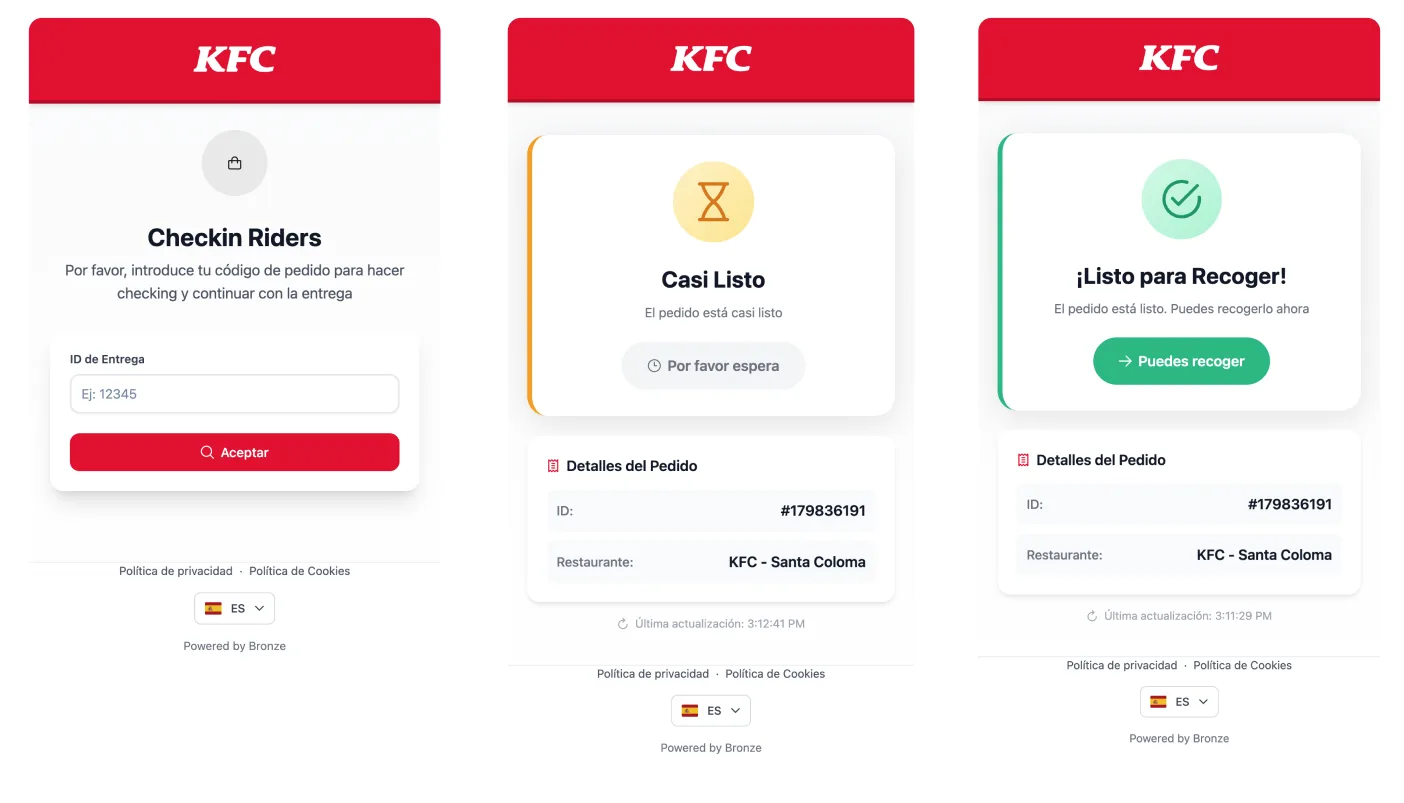
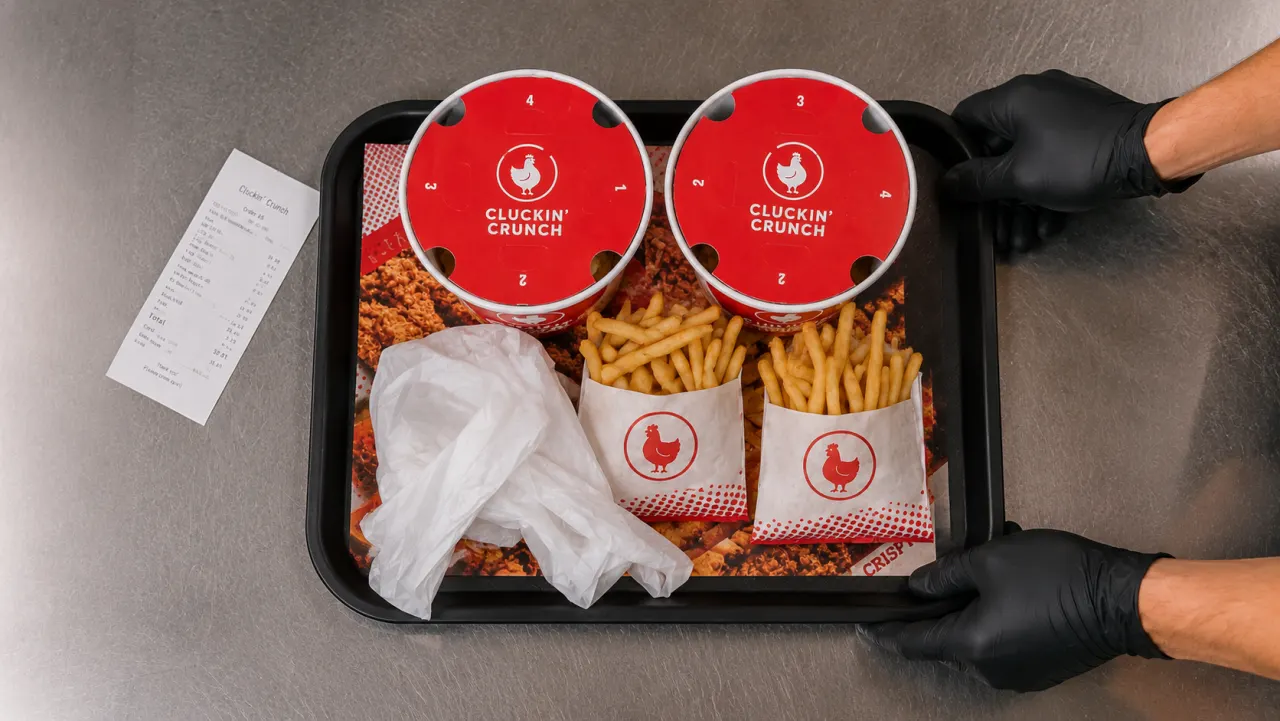
Bronze photographs and verifies every order with computer vision before it leaves the kitchen. Because that photo carries a timestamp from before the cancellation, it shows the order was made and ready before the platform pulled the delivery. Bronze then files the claim for you with that evidence, so the dispute rests on a record rather than a recollection.
More than half of the disputes Bronze files are handled without your team lifting a finger, because the evidence is already attached to the order and the claim goes in on your behalf. Across all disputes filed, not only cancellations, 83% are won (disputes resolved in the last 12 months, July 2026). Bronze has verified more than 5,000,000 orders across 450+ restaurants and recovered €2.2M for its customers.
Whether it is better to catch problems in the kitchen or claim them back afterwards is its own decision, weighed up in the guide to verifying in the kitchen or claiming afterwards. See Bronze Tracker for how the verification works.
What a photo doesn’t do
A photograph is evidence, not a verdict. It does not overrule the platform: Deliveroo and Uber Eats still decide each case against their own policies, and their deadlines still govern. It proves what left your kitchen and when, not what happened to the order afterwards on the road or at the door.
So the honest limit is this. If attribution genuinely sits with the restaurant, a store closed when the rider arrived on time, no photo changes that, and Bronze will not pretend otherwise. What the evidence removes is the grey area: the payable order that was written off because no one could show it was ready in time.
Sources
The policies, thresholds and deadlines above are drawn from Deliveroo’s and Uber Eats’ own UK merchant documentation, retrieved on 10 September 2026. Platform terms change, so confirm the current wording in the Hub or Restaurant Manager before you rely on a figure. These are the primary sources.
- Uber Eats Merchants & Restaurants, “Do we get paid for cancelled or unfulfilled orders?” Retrieved 10 September 2026: payment for accepted and prepared orders, the exclusions, the retroactive deduction and the 30-day claim window.
- Deliveroo Partner Policies (UK). Retrieved 10 September 2026: cancellation compensation at full order value minus commission, and the non-perishable deduction.
- Deliveroo Help, order cancellations and fault attribution. Retrieved 10 September 2026: the 15-minute threshold against the prep-for time.
- Deliveroo Help, disputing invoices and payments. Retrieved 10 September 2026: raising a dispute through the Hub up to 4 weeks after the invoice statement date.